Your front door does more than swing open and shut. It sets the tone for your entire home, shapes your energy bills, and stands as the first line of defense against the outside world. Yet homeowners often overlook their doors until something goes wrong — a stubborn lock, a draft that won’t quit, or a frame that’s warped beyond repair.
At Elevated Windows & Doors, we’ve seen firsthand how a simple door upgrade can transform a property. Beyond the obvious curb appeal boost, new doors improve energy efficiency, strengthen security, and add real value to your home. This post walks through what makes a quality door worth the investment and why choosing the right team for the job matters just as much as the door itself.
What Signs Indicate It’s Time for a New Door?
Doors wear down slowly, so the signs aren’t always obvious at first. A few telltale clues suggest it might be time for a replacement:
- Drafts and temperature shifts. If you feel air moving around the edges of your door even when it’s closed, the seal has likely failed.
- Sticking or misalignment. Doors that stick in their frames or no longer close flush often point to structural shifting or warping.
- Visible damage. Cracks, rot, rust, or peeling paint are signs the material has started to break down.
- Rising energy bills. Poor insulation around an aging door forces your HVAC system to work harder, which shows up on your monthly statement.
- Outdated style. Sometimes a door simply doesn’t match the look of your renovated home anymore, and that’s a valid reason on its own.
Catching these signs early saves money. Small issues left unaddressed tend to turn into bigger, costlier problems down the line.
How Much Can a New Door Improve Energy Efficiency?
Energy efficiency is one of the most overlooked benefits of upgrading your doors. Older doors, especially those with worn weatherstripping or single-pane glass inserts, are notorious for letting conditioned air escape. This forces heating and cooling systems to work overtime, driving up utility costs month after month.
Modern doors are built with insulated cores, tighter seals, and energy-efficient glass options that keep indoor temperatures stable year-round. For homeowners in regions with harsh winters or sweltering summers, this upgrade often pays for itself through lower energy bills over time. It’s a practical investment that delivers comfort alongside savings.
Why Does Door Material Matter So Much?
Not all doors are created equal, and the material you choose plays a major role in durability, maintenance, and performance. Here’s a quick breakdown of the most common options:
Fiberglass
Fiberglass doors resist warping, cracking, and rotting, making them a strong choice for homeowners who want low maintenance without sacrificing style. They also offer excellent insulation properties.
Steel
Steel doors are known for their security and affordability. They’re highly resistant to forced entry, though they can dent and may require touch-up paint over time.
Wood
Wood doors bring timeless warmth and character to a home’s exterior. They require more upkeep than fiberglass or steel but remain a favorite for homeowners prioritizing classic aesthetics.
Choosing the right material depends on your climate, budget, and the look you’re going for. A knowledgeable installer can help you weigh these factors against your specific needs.
What Should Homeowners Expect From Professional Installation?
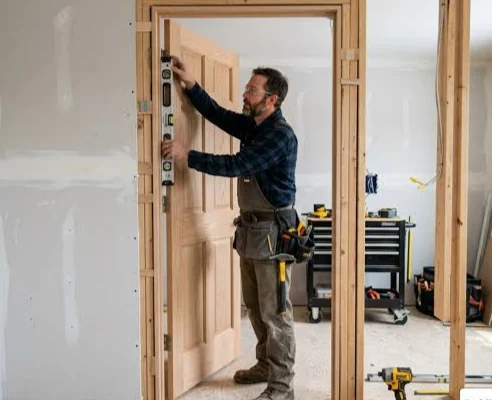
Even the best door won’t perform well if it’s installed incorrectly. Poor installation leads to gaps, uneven wear, and reduced energy efficiency — undoing much of the benefit a new door is supposed to provide.
Door installation done right starts with a precise fit, proper sealing, and attention to detail that protects your home for years to come. At Elevated Windows & Doors, our team measures carefully, accounts for your home’s unique structure, and ensures every door we install sits flush, seals tightly, and operates smoothly from day one. We understand that a door is a long-term investment, and we treat every project with the care that investment deserves.
Our installers also walk homeowners through maintenance tips after the job is complete, so your new door continues performing at its best for years to come.
How Does a New Door Add Value to Your Home?
Beyond comfort and security, doors play a surprisingly strong role in home value. Real estate professionals often point to exterior upgrades, including new entry doors, as projects that offer a strong return on investment. A fresh, well-installed door improves first impressions for potential buyers and signals that the home has been well cared for.
Even if selling isn’t on your radar right now, the daily benefits — better insulation, smoother operation, enhanced security — make the upgrade worthwhile for your own comfort and peace of mind.
Ready to Upgrade Your Home’s Doors?
New doors are one of the most impactful improvements you can make to your home. From energy savings to enhanced security and curb appeal, the benefits extend far beyond appearances. Whether you’re replacing a single entry door or upgrading multiple doors throughout your property, working with an experienced team ensures the job gets done right the first time.
Elevated Windows & Doors is here to guide you through every step, from selecting the right material to completing a seamless installation. Reach out to our team today to discuss your project and discover how the right doors can elevate your home.
Frequently Asked Questions
How long does it typically take to install a new door?
Most standard door installations are completed within a few hours, though timelines can vary depending on the complexity of the project and whether any frame repairs are needed.
Can old doors be replaced without damaging the surrounding wall?
Yes. Experienced installers carefully remove the existing door and frame to minimize disruption to surrounding walls and trim.
Do new doors really help lower energy bills?
Yes. Doors with proper insulation and tight seals reduce drafts, which eases the load on heating and cooling systems and can lead to noticeable savings over time.
Is it better to repair an old door or replace it entirely?
This depends on the extent of the damage. Minor issues like a faulty lock can often be repaired, but warping, rot, or persistent drafts usually indicate it’s time for a full replacement.