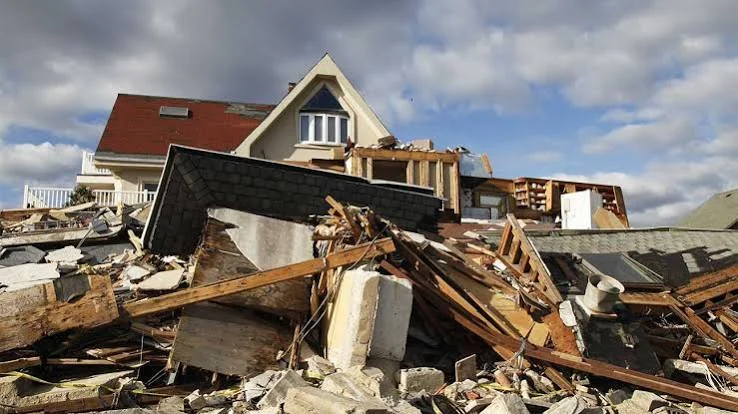
When a hurricane tears through your home or business, the destruction doesn’t stop once the winds die down. Roof damage, flooded interiors, mold growth, and structural instability often reveal themselves days or weeks later, leaving homeowners scrambling to figure out what comes next. Insurance companies, unfortunately, don’t always make that process easy. Delayed claims, lowball settlement offers, and denied coverage are common obstacles that leave policyholders footing the bill for damage they thought was covered.
That’s where a dedicated legal team comes in. Hurricane damage claims are notoriously complex, involving layers of policy language, adjuster disputes, and strict filing deadlines. Without the right guidance, many homeowners end up accepting far less than what they’re owed, or worse, nothing at all.
This post breaks down what hurricane damage claims typically involve, the challenges policyholders face when dealing with insurers, and why having experienced legal representation can make all the difference in securing a fair outcome.
What Does Hurricane Damage Insurance Typically Cover?
Most homeowners’ insurance policies include some form of windstorm coverage, which applies to hurricane-related damage such as roof destruction, broken windows, and structural harm caused by high winds. However, flood damage is usually excluded from standard policies and requires separate flood insurance, often through the National Flood Insurance Program.
This distinction matters enormously. Insurers frequently argue that damage was caused by flooding rather than wind, shifting responsibility away from the windstorm policy and leaving homeowners without the coverage they expected. Understanding exactly what your policy includes, and what it excludes, is the first step toward protecting your claim.
Why Do Insurance Companies Deny or Underpay Hurricane Claims?
Insurance companies are businesses, and like any business, they aim to minimize payouts. After a major hurricane, claims volume spikes dramatically, which can lead to rushed inspections, inexperienced adjusters, and formulaic damage assessments that don’t reflect the true cost of repairs.
Common tactics include:
- Disputing the cause of damage, attributing it to flooding, pre-existing wear, or lack of maintenance instead of the storm itself.
- Undervaluing repair costs by using outdated pricing models or incomplete inspections.
- Delaying claim processing in hopes that homeowners will give up or accept a quick, reduced settlement.
- Denying claims outright based on technicalities buried in policy language.
These practices can leave families without the funds needed to rebuild, especially when damage affects a roof, foundation, or essential systems like electrical and plumbing.
How Can a Lawyer Help With a Hurricane Damage Claim?
Navigating an insurance dispute alone puts policyholders at a disadvantage. Insurance companies have teams of adjusters and attorneys working to protect their bottom line, and homeowners deserve the same level of advocacy on their side.
A skilled legal team can:
- Review your policy in detail to identify coverage you may not realize you have.
- Document damage thoroughly, often working with independent inspectors and contractors to establish accurate repair costs.
- Negotiate directly with insurance companies to push back against lowball offers or unjustified denials.
- File suit when necessary, holding insurers accountable when they fail to honor their contractual obligations.
Having legal representation early in the process often changes how insurers respond to a claim. Adjusters tend to take documentation and demands more seriously when they know a homeowner has professional backing.
What Should You Do Immediately After Hurricane Damage Occurs?
Timing matters when it comes to hurricane claims. Most policies include strict deadlines for reporting damage, and waiting too long can jeopardize your ability to recover compensation. Here’s what to prioritize in the immediate aftermath:
- Document everything. Take photos and videos of all visible damage before beginning any cleanup or repairs.
- Keep receipts. Save records of any emergency repairs, temporary housing costs, or related expenses.
- Avoid signing anything quickly. Insurance adjusters may present settlement offers that seem reasonable but fall short of covering full repair costs.
- Contact a lawyer early. Legal guidance from the start helps ensure your claim is handled correctly from day one, rather than trying to fix mistakes after the fact.
Acting quickly and methodically gives you the strongest possible foundation for a successful claim.
Why Choose De Prado | De la Osa for Your Hurricane Damage Claim?
Hurricane damage lawyer services that put your recovery first make all the difference when you’re facing an uphill battle against a major insurance company. At De Prado | De la Osa, the legal team understands how overwhelming it feels to lose part of your home or business to a storm, only to then face resistance from the very insurer you’ve trusted for years.
The firm works closely with each client to build a thorough, well-documented claim that accurately reflects the full scope of damage. This means coordinating with contractors and inspectors, pushing back against unfair denials, and pursuing litigation when insurers refuse to negotiate in good faith. Every case is handled with the attention and persistence it deserves, because families and business owners shouldn’t have to settle for less than what their policy promises.
Clients working with De Prado | De la Osa gain a partner who understands both the legal and practical realities of storm recovery, helping take one major burden off their plate during an already stressful time.
Rebuilding Starts With the Right Support
Recovering from hurricane damage is rarely simple, but having experienced legal guidance can transform a frustrating, drawn-out dispute into a manageable path toward fair compensation. Whether you’re dealing with a denied claim, a lowball settlement, or an insurer that’s dragging its feet, taking action early protects your rights and your recovery.
If you’re facing pushback from your insurance company after storm damage, reach out to De Prado | De la Osa to discuss your situation and explore your options for moving forward.
Frequently Asked Questions
How long do I have to file a hurricane damage claim?
Deadlines vary by state and policy, but many require claims to be filed within one to three years of the storm. Checking your specific policy terms, or consulting a lawyer, helps ensure you don’t miss critical deadlines.
What if my insurance company already denied my claim?
A denial isn’t necessarily final. An attorney can review the denial reasoning, gather additional documentation, and challenge the decision through negotiation or litigation if needed.
Do I need a lawyer if the insurance company already offered a settlement?
Initial settlement offers often fall short of covering full repair costs. A lawyer can assess whether the offer reflects the true extent of your damage before you accept it.