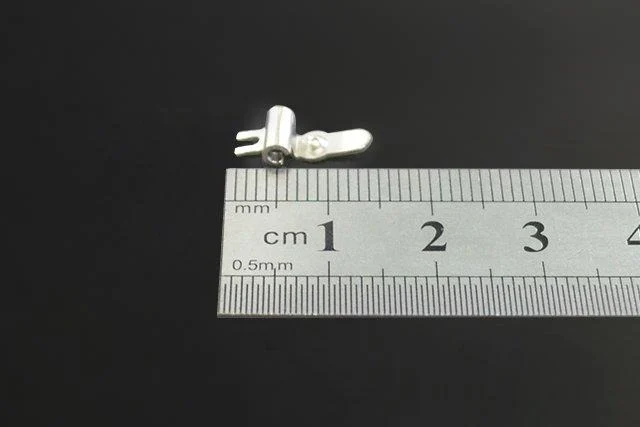
Aluminium is a popular choice for stamped parts because it is light, resists corrosion and conducts heat well. The aluminum stamping parts made from it show up in batteries, electronics, housings and brackets — anywhere a part needs strength without the weight of steel. Buying them well means matching the alloy, the design and the supplier to the job.
This guide covers the decisions a buyer has to make: which alloy to use, how to specify the part, what the tooling will cost, and how to judge a supplier. The aluminum stamping parts that fits your product is the one that is specified properly from the start, not the one that is cheapest on paper.
Choosing the right alloy
Aluminium is not one material but a family of alloys, and the choice matters. A common alloy for stamped parts is AL5052, which combines corrosion resistance with good strength and easy forming — a practical balance for battery shrapnel, housings and brackets. Other alloys trade formability for hardness, or strength for weldability, depending on the job.
Ask the supplier which alloy fits your part’s job. A housing that needs to shed heat wants an alloy with good thermal conductivity. A bracket that takes a load wants strength. A part that will be bent sharply needs an alloy that forms without cracking. The alloy choice is the first decision, and it shapes everything that follows.
Specifying the part properly
A clear drawing is the foundation of a good order. Dimensions, tolerances, alloy, thickness and quantity are the basics, but the way the part is used matters just as much. A battery shrapnel, for example, needs to hold a precise spring force; a heat sink needs its fins to stay flat and evenly spaced.
Tell the supplier how the part will be used, not just what it looks like. That information lets the maker spot problems early — a bend too close to a hole, a tolerance that is tighter than the process needs, or a feature that would be cheaper to make another way. A good supplier will raise those points before cutting the tooling, not after.
Tooling, quantity and price
Stamping needs a die, and the die is a one-off cost. On a large order, that cost is a small part of the price per piece. On a small order, it can dominate. Before you commit, ask how the tooling cost is handled and whether it is charged separately or spread across the run.
That is why quantity matters so much in the price. A part that costs a lot in a batch of five hundred can become very cheap in a batch of fifty thousand, because the tooling cost is shared and the press runs efficiently. If your volumes will grow, say so — the supplier can plan the tooling for the long term rather than the first batch.
- Alloy: match it to strength, forming and corrosion needs
- Drawing: dimensions, tolerances and how the part is used
- Tooling: understand the one-off cost before you approve the order
- Quantity: larger runs spread the tooling cost and cut the unit price
Judging the supplier
A supplier’s value shows in the questions it asks. If it accepts your drawing without a single question, be cautious. If it asks about the alloy, the tolerances and the way the part will be used, that is a maker that understands the work and wants the part to succeed.
Ask for a sample of the aluminum stamping parts before a large run, and check it in the real assembly. Measure the dimensions, test the fit, and see how the part behaves under load. The aluminum stamping parts you buy should arrive as specified and fit first time — and a supplier that welcomes that check is one you can trust with the next order too.
Common design errors to avoid
A few design mistakes show up again and again in stamped parts. One is placing a bend too close to a hole, which distorts the hole when the part is formed. Another is specifying a tolerance tighter than the job needs, which adds cost without improving the part. A third is forgetting that a sharp inside corner can crack when the part is bent.
These are easy to avoid if the supplier reviews the drawing before tooling is cut. Ask for that review and take the suggestions seriously — a maker that spots these issues early is saving you from a part that does not fit or a tool that needs rework. A short conversation at the drawing stage is far cheaper than fixing a die after it is made.
Buying aluminium stamping parts comes down to a few clear decisions: the right alloy for the job, a drawing that says how the part will be used, an honest look at the tooling cost, and a supplier that asks good questions. Get those right, check a sample in the real assembly, and the parts you order will fit your product the first time.