House fires don’t wait for a convenient time to start. They spread fast, often in the dead of night, filling rooms with smoke long before flames become visible. By the time most people wake up to the smell, precious seconds have already slipped away. That’s why a reliable early-warning system isn’t optional anymore — it’s the difference between a close call and a tragedy.
At ResQmedics, we’ve spent years helping families understand the risks hiding in plain sight inside their own homes. One of the most overlooked yet powerful safety tools remains surprisingly simple: a properly installed and maintained smoke alarm. This post breaks down why these devices matter so much, how they actually work, and what steps you can take today to make sure your household is protected.
How Do Smoke Alarms Actually Save Lives?
Smoke alarms work by detecting particles in the air before a fire grows large enough to become visible or obvious. Most residential units use one of two technologies: ionization sensors, which react quickly to flaming fires, or photoelectric sensors, which are more responsive to smoldering fires that produce a lot of smoke before any flame appears.
The moment either sensor detects abnormal particle levels, it triggers a loud alarm designed to wake even a deep sleeper. This early alert gives occupants crucial extra minutes to evacuate safely, call emergency services, and potentially stop a small fire before it spreads throughout the home.
According to national fire safety data, homes without working alarms face a significantly higher risk of fire-related fatalities compared to homes with properly functioning units. The takeaway is simple: a working alarm dramatically increases your chances of escaping a fire unharmed.
Where Should You Install Smoke Alarms Throughout Your Home?
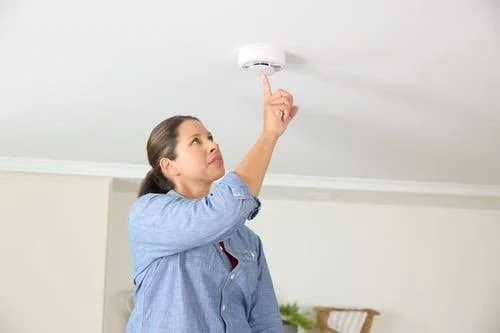
Placement matters just as much as the device itself. Fire safety experts generally recommend installing an alarm on every level of the home, inside each bedroom, and in hallways outside sleeping areas. Kitchens require special consideration since cooking smoke can trigger false alarms if the unit sits too close to the stove.
Basements, attics, and garages are also common fire-origin points that homeowners sometimes forget to cover. A thoughtfully mapped-out alarm system ensures that no matter where a fire starts, someone in the house will hear the warning in time to react.
What Mistakes Do Homeowners Commonly Make With Alarm Placement?
Many families install a single alarm near the front door and assume that’s sufficient coverage. Unfortunately, fires can start anywhere, and a lone detector near an entryway does little good if a fire ignites in an upstairs bedroom. Others mount alarms too close to ceiling fans or air vents, which can interfere with how quickly smoke reaches the sensor. Avoiding these small but costly errors makes a measurable difference in response time.
How Often Should Smoke Alarms Be Tested and Replaced?
Even the best device becomes useless if it’s not maintained. Most manufacturers recommend testing alarms monthly by pressing the built-in test button, and replacing batteries at least once a year — many people choose to do this during daylight saving time changes as an easy reminder. Beyond battery changes, the entire unit itself has a lifespan. Sensors degrade over time, typically losing reliability after about eight to ten years, even if the alarm still “works” when tested.
Dust buildup, humidity, and general wear can all reduce sensitivity without any obvious warning signs. That’s why a periodic professional inspection can catch issues that routine testing might miss, giving homeowners genuine peace of mind rather than a false sense of security.
What Makes a Fire Safety Inspection Worth Scheduling?
Smoke Detectors remain one of the most affordable, effective ways to protect your family around the clock, and a professional inspection ensures yours are actually ready when it matters most. A trained technician doesn’t just check whether the alarm beeps during a test — they assess sensor sensitivity, placement accuracy, wiring integrity for hardwired systems, and overall compliance with current fire codes.
ResQmedics offers comprehensive home fire safety evaluations designed to catch the small issues before they become big problems. Our technicians walk through every room, identify blind spots in your current coverage, and recommend practical upgrades tailored to your home’s layout. Rather than guessing whether your household is protected, you get a clear picture backed by professional expertise.
Many homeowners are surprised to learn that outdated or poorly placed alarms are far more common than they’d expect. A quick inspection often uncovers at least one unit that needs replacing or repositioning, something that could easily go unnoticed for years without a trained eye reviewing it.
Protecting Your Family Starts With One Simple Step
Fire safety isn’t something to revisit only after a close call. The best time to check your alarms, update your evacuation plan, and schedule a professional inspection is before an emergency ever happens. A small investment of time today can make an enormous difference when seconds count tomorrow.
ResQmedics is here to help families take that step with confidence. Our team brings years of hands-on experience helping households identify gaps in their fire safety setup and close them quickly and affordably. Reach out today to schedule your home inspection and give your family the protection it deserves.
Frequently Asked Questions
How much does a professional smoke alarm inspection typically cost?
Costs vary depending on home size and the number of units being evaluated, but most inspections are an affordable, one-time investment compared to the potential cost of fire damage or injury.
Can I install smoke alarms myself, or do I need a professional?
Basic battery-operated units can be installed by homeowners, but hardwired or interconnected systems often benefit from professional installation to ensure proper wiring and placement throughout the home.
What’s the difference between ionization and photoelectric alarms?
Ionization alarms respond faster to flaming fires, while photoelectric alarms detect smoldering fires more quickly. Many modern units combine both technologies for broader protection.
How long does a typical home inspection take?
Most inspections take less than an hour, depending on the size of the home and the number of alarms and safety devices being reviewed.
Are there fire code requirements for alarm placement in my area?
Requirements vary by location, but most jurisdictions mandate alarms on every level of the home and inside each bedroom. A ResQmedics technician can confirm what applies specifically to your area during your inspection.