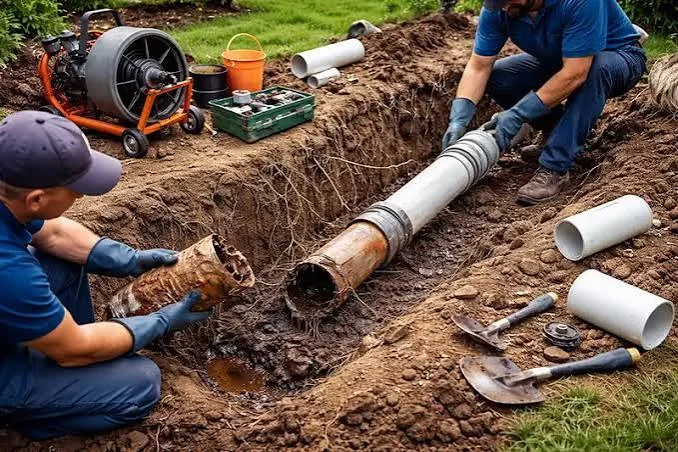
Few things disrupt a household faster than a failing sewer line. Slow drains, foul odors, and soggy patches in the yard are more than inconveniences — they’re warning signs that something beneath your property needs immediate attention. At Chivalry Plumbing, Heating & Cooling, we’ve helped countless homeowners move from frustration to relief by diagnosing sewer problems early and replacing damaged lines with lasting solutions.
This post walks through what causes sewer line damage, how to recognize the warning signs, what your replacement options look like, and why choosing an experienced team matters more than most homeowners realize.
Why Sewer Lines Fail in the First Place
Sewer lines take a beating. They sit underground, often for decades, enduring shifting soil, tree root intrusion, corrosion, and the natural wear that comes with age. A few of the most common culprits include:
- Tree root intrusion: Roots seek out moisture, and even a hairline crack in a pipe can invite roots to grow inward, eventually causing blockages or full pipe collapse.
- Pipe corrosion: Older homes often have sewer lines made from materials like cast iron or clay, which degrade over time and become brittle or porous.
- Ground shifting: Soil settling, freezing, and thawing cycles can crack or misalign pipes, especially in regions with fluctuating temperatures.
- Bellied pipes: A section of pipe can sink due to poor installation or ground movement, creating a dip where waste collects instead of flowing through.
- Clogs and buildup: Grease, wipes, and other debris can accumulate over the years, narrowing the pipe’s interior until it eventually fails.
Understanding the root cause helps determine the right fix — and that’s exactly what our technicians assess before recommending any repair plan.
Warning Signs You Shouldn’t Ignore
Sewer line problems rarely announce themselves all at once. Instead, they build gradually, which is why so many homeowners miss the early signs. Watch for these red flags:
Multiple Slow or Backed-Up Drains
If more than one drain in your home is slow or backing up at the same time, the issue likely isn’t isolated to a single fixture. It’s a strong indicator that the main sewer line is compromised.
Unpleasant Odors Indoors or Outdoors
A healthy sewer system keeps waste and gas contained. Persistent sewage smells, whether inside your home or in your yard, often mean a crack or break is releasing gas into the surrounding area.
Unusually Green or Lush Patches of Grass
Oddly enough, a damaged sewer line can act like fertilizer for your lawn. If one patch of grass is noticeably greener and more vibrant than the rest, it might be absorbing nutrients from a leaking pipe below.
Soggy Spots or Sinkholes in the Yard
Standing water, soft ground, or small sinkholes near your sewer line’s path are signs that wastewater is escaping underground instead of flowing to the municipal system.
Foundation Cracks or Pest Activity
In more advanced cases, a leaking sewer line can saturate the soil near your foundation, leading to cracks, settling, or even attracting pests like rodents and insects.
If you’re noticing any combination of these signs, it’s worth scheduling an inspection before the damage spreads further.
Repair vs. Replacement: How to Know Which You Need
Not every sewer issue requires full replacement. Minor cracks or isolated clogs can sometimes be resolved with a targeted repair. However, replacement becomes the smarter long-term choice when:
- The pipe has multiple cracks or breaks along its length
- Tree roots have caused extensive, recurring intrusion
- The pipe material has degraded due to age or corrosion
- Previous repairs haven’t resolved the underlying problem
- The pipe has collapsed or is significantly misaligned
Choose repair if the damage is isolated to a small section and the rest of the line is structurally sound. Choose replacement if the pipe shows widespread deterioration or repeated failures, since patching an aging system often leads to recurring costs down the road.
Modern Replacement Methods: You Don’t Always Need a Full Dig-Up
One of the biggest misconceptions homeowners have is that sewer line replacement always means tearing up the entire yard. Thanks to advances in plumbing technology, that’s often no longer the case.
Trenchless Pipe Lining
This method involves inserting a flexible liner coated in resin into the damaged pipe. Once cured, it forms a durable new pipe within the old one. It’s a strong option when the existing pipe’s structure is still relatively intact.
Pipe Bursting
For more extensively damaged lines, pipe bursting breaks apart the old pipe while simultaneously pulling a new one into place. This method replaces the entire line without the need to excavate its full length.
Traditional Trench Excavation
In cases where the pipe has collapsed, shifted significantly, or trenchless methods aren’t feasible due to site conditions, traditional excavation remains the most reliable approach. While it requires more digging, it allows for a complete, direct replacement.
Our team evaluates your property, pipe condition, and budget to recommend the method that balances cost, convenience, and long-term reliability.
What Influences the Cost of Replacing a Sewer Line
Every property is different, so costs vary based on several factors:
- Length and depth of the pipe: Longer or deeper lines require more labor and materials.
- Replacement method: Trenchless options can reduce landscaping restoration costs, while traditional excavation may involve additional yard repair.
- Accessibility: Pipes running beneath driveways, patios, or mature landscaping can add complexity.
- Pipe material: Upgrading to modern materials like PVC offers long-term durability compared to older cast iron or clay pipes.
- Permits and local requirements: Municipal regulations can affect both timeline and cost.
We provide transparent, upfront estimates so you know exactly what to expect before any work begins — no surprise charges after the job is already underway.
Why Homeowners Trust Chivalry Plumbing, Heating & Cooling
Sewer line issues are stressful enough without worrying whether the job will be done right. Our licensed technicians bring years of hands-on experience diagnosing and resolving sewer problems throughout the communities we serve. We use modern camera inspection technology to pinpoint the exact location and cause of damage before recommending a solution, so you’re never paying for guesswork.
Lasting peace of mind starts with a properly installed Sewer Line Replacement that protects your home from future backups, costly water damage, and recurring repair bills. Whether your situation calls for trenchless lining, pipe bursting, or full excavation, our team handles every step with care, clear communication, and respect for your property.
We also understand that plumbing emergencies don’t wait for convenient timing. That’s why our team prioritizes responsive scheduling and honest assessments, so you can make an informed decision without feeling rushed or pressured.
Protecting Your Home Starts With Acting Early
Sewer line problems rarely improve on their own. What begins as a slow drain or a faint odor can escalate into a collapsed pipe, yard excavation, or water damage that costs far more to resolve. Catching the warning signs early — and partnering with a team that diagnoses the issue accurately — makes all the difference in protecting your home and your budget.
If you’ve noticed any of the warning signs we covered here, don’t wait for the problem to worsen. Reach out to Chivalry Plumbing, Heating & Cooling for a thorough inspection and a clear, honest plan to get your sewer system back in working order.
Frequently Asked Questions
How long does a sewer line replacement typically take?
Most residential sewer line replacements take one to three days, depending on the length of the pipe, the method used, and site accessibility.
Will my yard be destroyed during the replacement process?
Not necessarily. Trenchless methods like pipe lining and pipe bursting minimize digging significantly, often leaving only small access points instead of a full trench.
How do I know if my sewer line needs to be replaced instead of repaired?
If you’re experiencing recurring backups, multiple cracks, or significant pipe deterioration, replacement is usually more cost-effective than ongoing repairs.
Does homeowners insurance cover sewer line replacement?
Coverage varies by policy and the cause of damage. It’s best to check with your insurance provider, though many companies offer optional sewer line endorsements.
What can I do to prevent future sewer line problems?
Routine camera inspections, mindful disposal habits (avoiding grease and wipes down drains), and prompt attention to early warning signs all help extend the life of your sewer line.