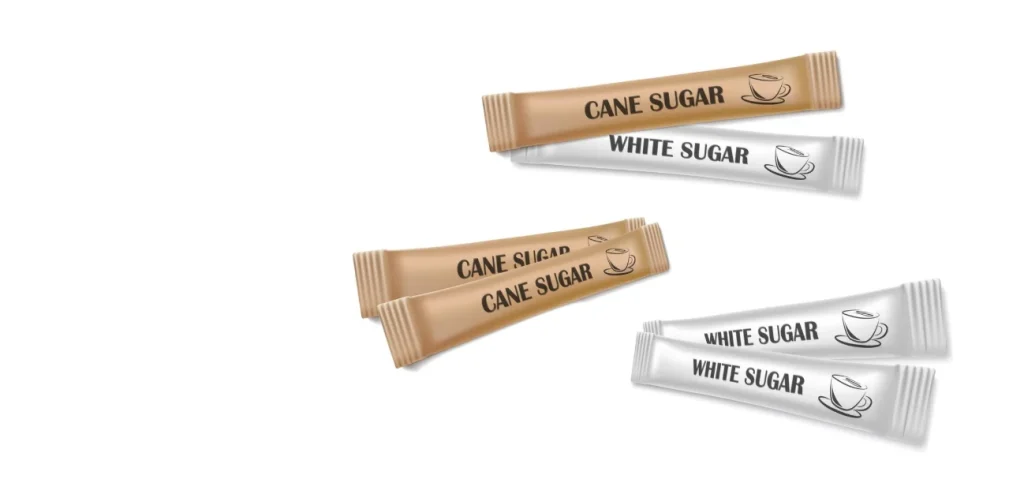
The dietary supplement market is one of the most competitive consumer categories in the world. With thousands of brands competing for shelf space and consumer attention, packaging decisions can make a meaningful difference in purchase conversion and brand loyalty. Among the formats gaining the most traction in this space, stick packs have emerged as a dominant choice for powdered supplements, drink mixes, and functional nutrition products.
This article examines why stick pack packaging has become the preferred format for supplement brands, what drives consumer preference for the format, and how brands can maximize its potential.
What Is a Stick Pack?
A stick pack is a narrow, tube-shaped flexible packaging format, typically 10 to 30 millimeters wide and 100 to 180 millimeters tall. The elongated shape is designed for single-serve use — the consumer tears open one end and dispenses the contents directly into a drink, onto food, or directly into the mouth.
The format is produced on form-fill-seal machinery specifically designed for narrow tube packaging. High-speed lines can produce thousands of stick packs per minute, making the format economically viable even for mass-market products. The narrow form factor also allows for efficient multipacking — a common retail configuration that groups 15 to 30 stick packs in a box or carton, creating a visually impactful retail package.
Why Supplements Are Ideal for Stick Packs
The supplement market has several characteristics that make stick packs particularly well suited. Precise dosing is essential for supplement products — consumers and manufacturers need to know that every serving contains exactly the right amount of active ingredients. Stick packs, produced on precision form-fill-seal equipment, deliver consistent fill weights that sachets or spooned servings cannot match reliably.
Convenience and portability are paramount for the active, health-conscious consumers who make up the core supplement market. A stick pack fits easily in a pocket, gym bag, or purse. It requires no measuring, no scoop, and no refrigeration. For consumers who take multiple supplements throughout the day, the single-serve format aligns perfectly with their on-the-go lifestyle.
The premium perception of the stick pack format also matters in a category where perceived quality influences purchase decisions. A thoughtfully designed stick pack communicates precision, cleanliness, and attention to detail — attributes that align with consumer expectations for health and wellness products.
Brands choosing stick pack packaging from experienced manufacturers can achieve these benefits while maintaining the branding impact needed to stand out in a competitive retail environment.
Branding Opportunities in a Narrow Format
One of the creative challenges of stick pack design is working within a narrow canvas. With print area limited by the slim format, every design decision must be purposeful.
The front panel of the stick pack is the primary brand surface. Typography, color, and the use of space must communicate brand identity and product information clearly at a small scale. Many successful supplement brands use the stick pack as an extension of a consistent brand system — the same colors, fonts, and visual language used across the full product range appear in a format that is immediately recognizable as belonging to the brand.
Printing technology for stick packs has advanced significantly. High-resolution flexographic and digital printing deliver crisp, vibrant graphics at narrow widths. Metallic inks, spot varnishes, and matte finishes are all available and can transform a functional format into a premium presentation.
The packaging material also contributes to shelf appeal. Foil laminates with metallic surfaces create a premium, clinical look that resonates in the supplement and pharmaceutical categories. White or kraft paper-based substrates are gaining traction with brands positioning their products as natural or artisanal.
Production Efficiency and Cost
For supplement brands managing complex product lines with multiple flavors, potencies, and formulations, the production efficiency of stick pack packaging has significant value. High-speed form-fill-seal production means that unit costs are competitive even at moderate volumes, and the slim format uses material efficiently compared to wider pouches or sachets.
The ability to multiplex — running multiple flavors or formulations simultaneously on a single high-speed line — is particularly valuable for brands with large SKU counts. Efficient production and lower minimum order quantities help brands manage inventory risk while maintaining a broad product range.
Conclusion
Stick pack packaging has earned its dominant position in the supplement market through a combination of functional excellence and consumer convenience. The format delivers precise dosing, premium presentation, and on-the-go portability in a package that can be produced efficiently at scale. For supplement brands looking to strengthen their market position, the stick pack format merits serious consideration as the packaging solution of choice.