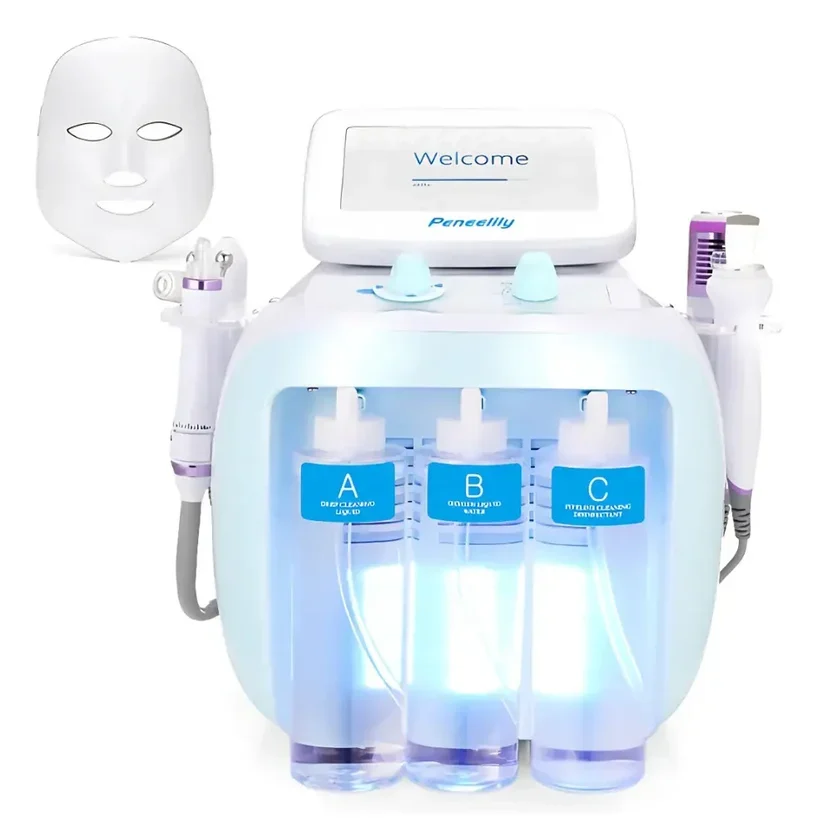
Healthy-looking skin is influenced by many factors, including daily skincare, hydration, environmental exposure, and the natural ageing process. While a consistent home routine is important, professional facial treatments can provide additional support when the skin needs more thorough cleansing and exfoliation. Hydradermabrasion has become an increasingly recognised approach because it combines several skincare steps into one controlled treatment.
A hydradermabrasion machine can help professionals carry out stages such as exfoliation, cleansing, extraction, and hydration in a coordinated way. Rather than relying solely on aggressive resurfacing, the treatment uses a gentler approach designed to remove surface buildup while supporting the skin with moisture. This makes it an interesting option for people looking to improve the overall appearance and feel of their complexion.
Understanding how the treatment works, what it can realistically achieve, and how it differs from other facial procedures can help individuals make more informed skincare decisions.
What Is Hydradermabrasion?
Hydradermabrasion is a non-invasive facial treatment that combines exfoliation with cleansing and hydration. The procedure is designed to remove dead skin cells and surface impurities while using fluid-based technology to support the skin during the treatment.
The outer layer of the skin naturally accumulates dead cells, oils, cosmetic residue, and environmental particles. If this buildup is not adequately removed, the complexion can appear dull, rough, or congested. Gentle exfoliation helps clear some of this material and creates a smoother surface.
One of the main characteristics of hydradermabrasion is that exfoliation and hydration are incorporated into the same treatment. This differs from some traditional exfoliation methods, where removing surface cells may leave the skin feeling temporarily dry or tight.
How Does Hydradermabrasion Work?
The exact procedure can vary depending on the equipment and treatment protocol, but a typical session involves several stages.
Skin Cleansing and Preparation
The first step is usually thorough cleansing. Makeup, sunscreen, excess oil, and other surface contaminants need to be removed before the main procedure begins.
A skincare professional may also examine the skin to determine its condition and identify areas that require particular attention. Skin sensitivity, dryness, oil production, and congestion can all influence how the treatment is approached.
Proper preparation helps create a more consistent treatment and reduces the possibility of unnecessary irritation.
Gentle Exfoliation
The next stage involves controlled exfoliation. Dead skin cells are loosened and removed from the surface, helping to improve the skin’s texture and appearance.
Unlike aggressive resurfacing techniques, hydradermabrasion is generally intended to provide a more comfortable exfoliation experience. The treatment intensity can often be adjusted according to the individual’s skin type and condition.
Removing surface buildup may also help skincare products spread more evenly across the skin afterward, although this does not mean professional exfoliation should replace a regular skincare routine.
Extraction of Surface Impurities
Another important part of the treatment is extraction. The process can help loosen and remove certain impurities from congested areas, particularly around the nose, forehead, and chin.
People with oily or combination skin may find this stage particularly useful because these areas can accumulate excess sebum and debris.
However, extraction should always be controlled. Excessive pressure or repeated manipulation can cause unnecessary redness and irritation. Professional equipment allows the process to be approached more systematically than forceful manual extraction.
Hydration
Hydration is a defining part of hydradermabrasion. During the treatment, suitable solutions can be applied to help maintain moisture while the skin is being cleansed and exfoliated.
This combination is useful because effective exfoliation should not be viewed only as the removal of dead cells. Supporting the skin’s moisture balance is also important for maintaining a comfortable appearance.
The specific solutions used can vary depending on the equipment, treatment protocol, and individual’s skincare requirements.
Final Skincare
Once the main treatment is complete, the skin may receive moisturising and protective products. Sunscreen is particularly important because recently exfoliated skin should be protected from unnecessary sun exposure.
A professional may also provide individual aftercare recommendations based on the person’s skin type and the intensity of the procedure.
Benefits of Hydradermabrasion
Hydradermabrasion can provide several cosmetic benefits when performed correctly and at an appropriate frequency. Results vary between individuals, so expectations should remain realistic.
Potential benefits include:
- Smoother-feeling skin
- Removal of dead surface skin cells
- A fresher-looking complexion
- Reduction in surface impurities
- Improved appearance of congested areas
- Temporary enhancement of skin hydration
- More refined-looking skin texture
- A brighter and more refreshed appearance
The combination of these effects is one reason hydradermabrasion can be incorporated into professional skincare routines.
It is important to remember that the procedure primarily addresses surface-level concerns. It should not be presented as a cure for medical skin conditions or a replacement for dermatological treatment.
Hydradermabrasion vs. Traditional Dermabrasion
The names may sound similar, but hydradermabrasion and traditional dermabrasion involve different treatment approaches.
Traditional dermabrasion is a more intensive resurfacing procedure that uses mechanical abrasion to remove layers of skin. Depending on the procedure and depth, it can involve significant redness and recovery time and is generally performed for more substantial skin concerns.
Hydradermabrasion takes a gentler approach. It combines surface exfoliation with fluid-based cleansing, extraction, and hydration. As a result, it is generally positioned as a cosmetic facial treatment rather than a deep resurfacing procedure.
Neither approach is automatically better than the other. The appropriate option depends on the individual’s skin condition, desired results, and professional assessment.
Who Can Consider Hydradermabrasion?
Hydradermabrasion may be suitable for adults who want to improve the appearance of dull, congested, uneven, or dehydrated-looking skin.
It can be particularly appealing to people who want professional exfoliation without choosing a more aggressive resurfacing procedure.
Potential candidates may include individuals experiencing:
- Dull-looking skin
- Mild surface congestion
- Uneven skin texture
- Excess surface oil
- Dry or dehydrated-feeling skin
- Accumulated dead skin cells
- A generally tired-looking complexion
However, suitability should always be considered on an individual basis. People with active infections, open wounds, significant inflammation, or severely irritated skin may need to postpone treatment.
Is Hydradermabrasion Suitable for Every Skin Type?
Different skin types have different requirements, so treatment settings should not be identical for everyone.
Oily and Combination Skin
Oily and combination skin may benefit from a treatment that focuses on cleansing and removing excess surface oil. Congested areas can receive particular attention without unnecessarily treating areas that are already dry.
Dry Skin
For dry skin, hydration becomes especially important. Excessive exfoliation can potentially make dryness worse, so treatment should remain gentle and balanced.
Sensitive Skin
Sensitive skin requires additional care. Treatment intensity, solution selection, and frequency should be carefully considered to minimise the risk of discomfort or irritation.
A professional assessment is therefore more useful than simply selecting a treatment based on skin type alone.
What Does a Hydradermabrasion Treatment Feel Like?
Most people experience hydradermabrasion as a relatively gentle facial treatment. Depending on the equipment being used, the sensation can include mild suction, fluid movement, and a light exfoliating feeling.
The treatment is generally designed to be comfortable rather than painful. However, individual experiences can differ. Someone with particularly sensitive skin may notice temporary redness or mild sensitivity afterward.
The condition of the skin before treatment can also affect how comfortable the procedure feels. Skin that is already irritated or over-exfoliated may be more reactive.
How Long Do Results Last?
The visible effects of a facial treatment are not permanent. Hydradermabrasion can leave the skin looking fresher and smoother, but the skin continues to produce oil and shed cells naturally.
Environmental exposure, skincare habits, hydration, sleep, and sun exposure can all affect how long the refreshed appearance remains noticeable.
For this reason, hydradermabrasion is better considered part of an overall skincare strategy rather than a one-time solution for every concern.
Regular professional treatments may be appropriate for some individuals, but they should be spaced according to skin needs. More frequent treatment is not necessarily better, particularly if the skin becomes dry, sensitive, or irritated.
Important Aftercare Tips
Aftercare can help maintain the comfortable condition of the skin following treatment. Although hydradermabrasion is generally associated with minimal downtime, freshly exfoliated skin should still be treated carefully.
Useful aftercare practices include:
- Use a gentle cleanser.
- Keep the skin adequately moisturised.
- Apply broad-spectrum sunscreen.
- Avoid unnecessary sun exposure.
- Avoid harsh physical scrubs immediately after treatment.
- Follow the practitioner’s specific aftercare recommendations.
- Avoid introducing multiple new active skincare products at once.
Some strong skincare ingredients may cause additional sensitivity when used immediately after exfoliation. Depending on the individual’s skin and professional advice, products containing retinoids or strong exfoliating acids may need to be temporarily avoided.
Factors That Affect Treatment Results
The outcome of hydradermabrasion depends on several factors rather than the procedure alone.
Skin Condition
Skin that is already well cared for may respond differently from skin experiencing significant dryness, congestion, or irritation.
Treatment Technique
The settings and technique used during treatment can influence both comfort and results. Appropriate adjustments are important because excessive intensity can potentially lead to unnecessary irritation.
Skincare Between Treatments
Professional treatments cannot replace everyday skincare. Gentle cleansing, moisturising, and regular sunscreen use remain fundamental.
Lifestyle Habits
Sleep, nutrition, hydration, smoking, stress, and environmental exposure can all influence the general appearance of the skin. A facial treatment may improve surface appearance, but healthy skin maintenance requires consistent habits.
How Often Should Hydradermabrasion Be Done?
Treatment frequency should be determined according to the individual’s skin condition and goals. Some people may choose occasional treatments before events or as part of periodic skincare maintenance.
Others may follow a more structured schedule recommended by a qualified skincare professional.
The important point is to allow the skin sufficient time to recover between exfoliation sessions. Excessive treatment can compromise the skin barrier and contribute to dryness, redness, or sensitivity.
A personalised schedule is therefore preferable to following a fixed frequency simply because it is popular.
When Should Professional Advice Be Considered?
Hydradermabrasion is primarily a cosmetic treatment, so persistent or unusual skin problems should not automatically be treated with facial procedures.
Professional medical advice may be more appropriate when someone has:
- Persistent inflammatory acne
- Unexplained rashes
- Severe redness
- Open or infected lesions
- Significant skin sensitivity
- Persistent pigmentation changes
- A known dermatological condition
A qualified practitioner can determine whether a cosmetic treatment is appropriate or whether further assessment is necessary.
Frequently Asked Questions
1. Does hydradermabrasion remove dead skin cells?
Yes. One of the main purposes of hydradermabrasion is to gently exfoliate the surface of the skin and remove accumulated dead cells. This can help improve the feel and appearance of the complexion. The intensity of exfoliation should be adjusted according to skin condition to avoid unnecessary dryness or irritation.
2. Can hydradermabrasion help congested skin?
Hydradermabrasion may help improve the appearance of congested skin by combining exfoliation, cleansing, and gentle extraction. It can remove some surface oil and impurities from areas such as the nose and chin. However, it does not permanently prevent congestion, so suitable daily skincare remains important.
3. Is hydradermabrasion painful?
Most people find hydradermabrasion relatively comfortable, although the sensation varies depending on the equipment, settings, and individual sensitivity. Mild suction or fluid movement may be noticeable during treatment. Temporary redness or sensitivity can sometimes occur, particularly when the skin is naturally reactive or the treatment is more intensive.
4. Can hydradermabrasion be used on sensitive skin?
It may be appropriate for some people with sensitive skin, but treatment should be customised carefully. Lower intensity settings and suitable solutions may help minimise discomfort. Individuals with active irritation, inflammation, broken skin, or a compromised skin barrier should seek professional advice before undergoing exfoliating treatments.
5. Does hydradermabrasion replace a skincare routine?
No. Hydradermabrasion is best viewed as a professional treatment that complements regular skincare rather than replacing it. Daily cleansing, moisturising, and sun protection remain important for maintaining healthy-looking skin. A consistent home routine can also help extend the refreshed appearance achieved through occasional professional facial treatments.
Conclusion
Hydradermabrasion brings together several facial treatment stages, including cleansing, gentle exfoliation, extraction, and hydration. Its balanced approach makes it an appealing option for people who want to improve surface texture and achieve a cleaner, fresher-looking complexion without the intensity associated with deeper resurfacing procedures.
A properly selected hydradermabrasion machine can support a controlled treatment process by combining multiple skincare functions within one professional facial session.
Ultimately, successful skincare is about consistency and suitability. Professional treatments can complement a well-planned routine, but factors such as skin type, treatment frequency, aftercare, sun protection, and everyday habits all contribute to maintaining healthy-looking skin over time.