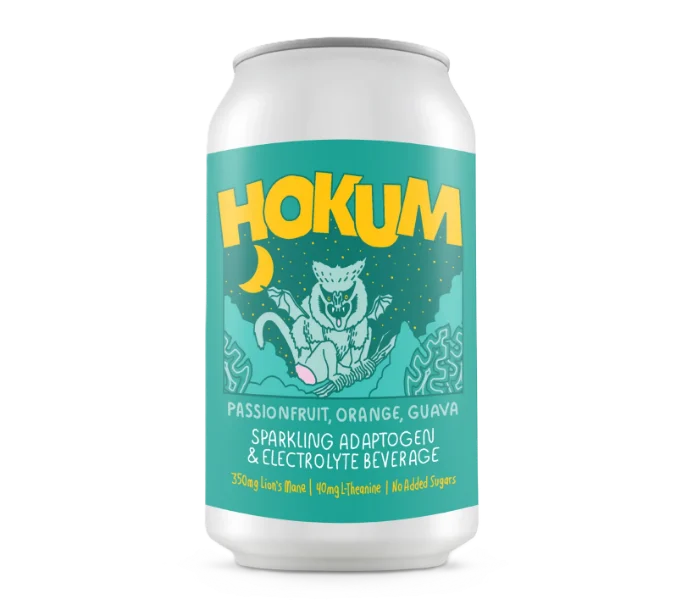
Have you ever wondered why orange flavored soft drinks taste completely different from a glass of fresh orange juice, even though both are inspired by the same fruit? The answer lies in the ingredients, flavor creation, sweetness, acidity, and the way your senses experience each sip. While orange juice delivers the natural taste of freshly squeezed citrus, soft drinks are carefully crafted to create a bright, refreshing flavor with a completely different drinking experience. At Drink Hokum, understanding these flavor differences helps people appreciate what goes into every refreshing citrus beverage and how each option serves a unique purpose.
The Natural Flavor of Orange Juice
Orange juice comes directly from oranges, making it one of the closest ways to enjoy the fruit in liquid form. Since it contains natural fruit compounds, every glass carries the authentic aroma, sweetness, and slight bitterness found inside fresh oranges.
The taste of orange juice is influenced by several natural factors, including the variety of oranges used, growing conditions, ripeness, and juice processing methods. This is why one glass may taste sweeter while another has a brighter citrus bite.
Natural juice also contains tiny amounts of pulp, natural oils from the peel, vitamins, minerals, and fruit acids that all contribute to its rich and layered flavor.
Why Soft Drinks Taste Different
Soft drinks are designed to create a refreshing and enjoyable beverage rather than copy fresh juice. Beverage developers carefully combine flavors, sweeteners, carbonation, acids, and aromas to create a consistent taste every time.
Instead of relying entirely on fruit juice, these beverages focus on delivering a lively citrus profile that remains stable throughout production.
Some key reasons include:
- Carefully blended citrus flavor compounds.
- Add sweetness to a smooth finish.
- Carbonation changes how flavors reach the tongue.
- Balanced acidity creates a crisp sensation.
- Consistent flavor from bottle to bottle.
The result is a drink that feels bright, refreshing, and distinctly different from natural juice.
The Role of Carbonation
One of the biggest differences is carbon dioxide.
The tiny bubbles found in soft drinks create a tingling sensation that fresh orange juice does not have. Carbon dioxide also changes how aromas travel into the nose, making citrus notes seem sharper and more vibrant.
Carbonation adds another sensory layer by increasing the feeling of freshness. This fizzy texture influences how sweetness and acidity are perceived, giving the beverage its recognizable character.
Without carbonation, many citrus soft drinks would taste much closer to a sweet fruit beverage instead of the refreshing drink people expect.
Sweetness Creates a Different Flavor Experience
Sweetness plays a major role in shaping taste.
Fresh oranges contain natural fruit sugars that develop during ripening. Their sweetness varies depending on the fruit itself.
Soft drinks use carefully balanced sweetening ingredients to create a consistent flavor profile. Since the sweetness level remains controlled, every serving delivers a familiar taste.
This balanced sweetness also softens the sharpness of citrus acids, making the drink smooth and refreshing.
The difference is not simply about sweetness itself but about how sweetness interacts with acidity, carbonation, and flavor compounds.
Acidity Makes Citrus Taste Bright
Acidity is responsible for the lively citrus sensation found in both orange juice and soft drinks.
Orange juice naturally contains citric acid, along with other organic acids that contribute to its fresh taste.
Soft drinks also include carefully balanced food-grade acids that provide brightness and help preserve the beverage’s flavor profile.
The balance of acidity affects several characteristics:
- It enhances the citrus flavor.
- It creates a refreshing finish.
- It balances sweetness.
- It helps maintain flavor consistency.
- It contributes to clean aftertaste.
Even small changes in acidity can noticeably change how the drink tastes.
Natural Fruit Compounds vs Flavor Blends
Fresh oranges contain hundreds of naturally occurring aroma compounds.
These compounds create a familiar scent of people associated with freshly peeled oranges. Since these aromas occur naturally, they can vary from one harvest to another.
Soft drink manufacturers build carefully developed flavor blends that recreate the bright citrus experience while maintaining consistency.
These blends often focus on highlighting specific orange characteristics rather than reproducing every complex note found in fresh fruit.
This is why the aroma of a soft drink feels cleaner, brighter, and more straightforward compared to the deeper fragrance of fresh juice.
Texture Changes Everything
Texture has a powerful influence on taste.
Orange juice usually has a thicker mouthfeel because it contains natural fruit solids, pulp, and dissolved fruit components.
Soft drinks are lighter due to carbonation and their smoother liquid consistency.
This lighter texture allows the refreshing sensation to arrive quickly and disappear cleanly, making the beverage feel crisp rather than rich.
Even though both drinks share citrus inspiration, their textures create completely different drinking experiences.
Why Aroma Matters So Much
- Taste and smell work together every time you take a sip.
- As you drink orange juice, natural fruit aromas rise into the nose, adding complexity to every mouthful.
- Soft drinks release aromatic compounds rapidly because carbonation carries them upward as bubbles burst.
- This immediate burst of citrus aroma creates a fresh impression before the liquid even reaches the tongue.
- Our brains combine aroma, sweetness, acidity, and texture into one complete flavor experience.
Temperature Also Changes Flavor
Serving temperature has a noticeable effect on flavor perception.
Cold temperatures reduce the intensity of sweetness while emphasizing refreshment.
Orange juice served chilled still retains much of its natural fruit character because of its complex composition.
Soft drinks become especially refreshing when cold because carbonation feels stronger and citrus aromas remain crisp.
This combination enhances the lively character people expect from citrus beverages.
Color Shapes Expectations
People often taste with their eyes first.
Bright orange beverages naturally create expectations of citrus flavor before the first sip.
Orange juice typically displays shades that come directly from the fruit itself.
Soft drinks use carefully controlled coloring to maintain a consistent appearance that matches consumer expectations.
A familiar color prepares the brain for a refreshing citrus experience, influencing overall flavor perception.
Why Consistency Matters
Fresh fruit naturally changes throughout the year.
Several factors influence the taste of oranges:
- Rainfall affects how much natural sweetness develops.
- Sunlight shapes sugar levels and overall flavor.
- Soil conditions influence acidity, aroma, and fruit size.
- Fruit maturity changes sweetness, juiciness, and brightness.
Soft drink production focuses on consistency so every bottle offers the same recognizable flavor.
Quality control helps ensure that:
- Sweetness stays balanced.
- Acidity remains bright and refreshing.
- Aroma stays familiar.
- Carbonation delivers the same crisp feel.
This consistency is one reason many people enjoy soft drinks alongside fresh juice rather than treating them as direct replacements.
Different Drinks for Different Moments
Each beverage serves a different purpose.
Fresh orange juice is often chosen for its authentic fruit character and naturally occurring nutrients.
Soft drinks are commonly enjoyed for their lively fizz, refreshing taste, and satisfying citrus flavor.
Many people appreciate having both available because each creates a completely different drinking experience.
Some enjoy juice during breakfast, while others reach for a fizzy citrus beverage during social gatherings or relaxing moments.
How Flavor Scientists Build Citrus Drinks
Creating a refreshing citrus beverage involves a blend of food science and creativity.
Flavor experts study how different citrus compounds interact with sweetness, acidity, and carbonation. They carefully adjust each element until the drink delivers a balanced taste that remains enjoyable from the first sip to the last.
Their work includes evaluating:
- Citrus aroma intensity.
- Sweet balance.
- Acid levels.
- Mouthfeel.
- Flavor stability.
- Overall, refreshments.
Each adjustment contributes to the final flavor profile consumers recognize and enjoy.
Choosing the Right Citrus Beverage
The best choice depends on what kind of experience you want.
If you enjoy the authentic taste of fruit, orange juice offers natural complexity and richness.
If you’re looking for a bright, fizzy refreshment, a citrus soft drink provides a completely different sensory experience.
Some people also enjoy preparing an orange mixed drink for gatherings by combining citrus beverages with complementary ingredients to create refreshing flavor combinations.
For quick convenience at home, an orange drink mix can also provide a simple way to enjoy citrus-inspired flavor while allowing you to prepare the beverage according to your preference.
When exploring different beverage options, many consumers also look to buy citrus fruit drink products that match their preferred balance of sweetness, refreshment, and vibrant citrus taste.
If you enjoy discovering refreshing citrus options, take a moment to explore best seller selections that showcase popular flavor profiles loved by many beverage enthusiasts. Comparing different styles can help you find the citrus drink that best matches your personal taste and refreshment preferences.
Conclusion
The difference between orange juice and citrus soft drinks comes down too much more than ingredients alone. Carbonation, sweetness, acidity, aroma, texture, and carefully crafted flavor blends all work together to create two completely different experiences. Fresh juice celebrates the complexity of real fruit, while citrus soft drinks focus on delivering a bright, crisp, and refreshing taste that remains consistent with every serving. Understanding these differences helps you appreciate both beverages for what they offer instead of comparing one directly to the other. If you would like to learn more about refreshing citrus beverages and quality drink options, Drink Hokum is here to help. Contact today to discover more about our flavorful beverage selection.