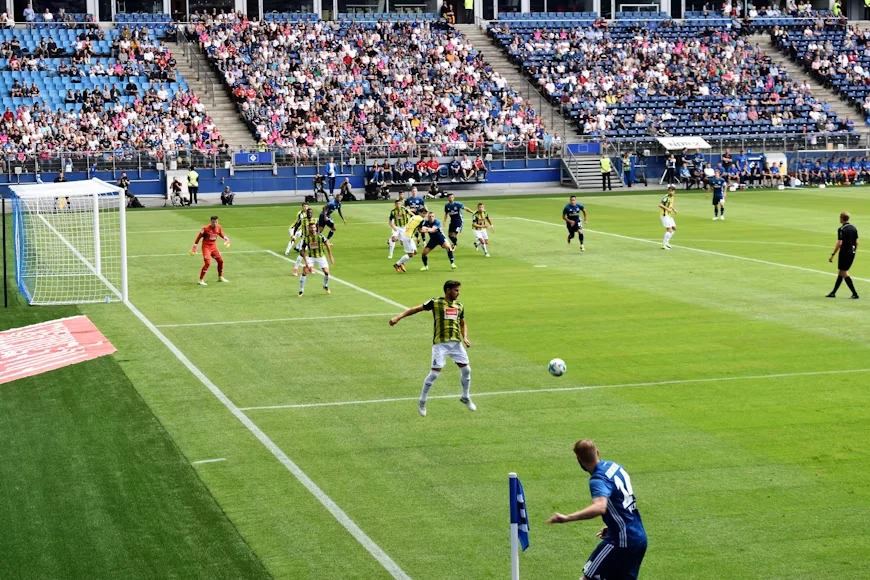
For most people August still smells like summer. For football supporters it already smells like matchday. Pre-season friendlies wrap up in the second week, transfer deadlines close a few days later, and by the time the calendar flips to September the league table already has real weight behind it. Fans who track fixtures the way accountants track quarters notice the shift before anyone else does.
That earlier rhythm shows up off the pitch too. Plenty of fans open a betting app in the same week they renew a season ticket, comparing early odds the way they compare squad lists, and a platform such as x3bet becomes part of that pre-season routine rather than an afterthought once the campaign is underway.
Why the Season Creeps Earlier Every Year
Broadcasting contracts are the biggest driver. UEFA’s current cycle pays out over nine billion euros across three seasons, and rights holders want fixtures spread across more weekends, not squeezed into a short autumn-to-spring window. Expanded competitions add pressure from the other side: the Champions League moved to a 36-team league phase in 2024, which means eight group matches instead of six, and someone has to find room for the extra two rounds.
Climate is a quieter factor but a real one. The 2026 MLS calendar pushed several August fixtures into late July specifically to dodge the worst of the Midwest heat index, while Qatar’s 2022 World Cup had already forced a November date purely because a summer tournament there was unplayable. Leagues copy each other’s scheduling fixes once one federation proves they work.
| League | 2026 Opening Weekend | Matches in Round One |
| Premier League | August 15 | 10 |
| La Liga | August 16 | 10 |
| Serie A | August 23 | 10 |
| Bundesliga | August 22 | 9 |
| MLS | February 21 | 15 |
A few habits repeat across almost every fanbase once the opening weekend is confirmed:
- Renewing or upgrading a season ticket before the early-bird price window closes
- Drafting a fantasy football squad around confirmed starting lineups rather than pre-season guesses
- Cross-checking broadcaster schedules against work calendars for the first month of fixtures
- Reinstalling or updating club apps that were left dormant since May
Reading the Calendar Like a Bettor
None of this early scheduling stays confined to fans watching from the sofa. The same compressed calendar that pushes kickoff earlier also compresses the information available to anyone pricing a match, which is exactly why the opening month behaves differently from the rest of the season.
Early-Season Volatility
Odds in August and early September swing harder than they will in November. A club that finished fourth last term might start two new full-backs and a rebuilt midfield, and no one, bookmakers included, has more than three or four competitive matches of data to price against. Injuries picked up in pre-season friendlies often surface as vague “assessed” line-item news rather than confirmed absences, which widens the gap between public odds and what actually happens on the pitch.
- Check the pre-season friendly results, not just the scoreline but who actually played ninety minutes
- Track confirmed injury lists rather than rumor-stage reports from the final week of August
- Note which signings arrived after the transfer window’s first three weeks, since late arrivals rarely start immediately
Fixture Congestion Later
By late September the early volatility gives way to a different problem: congestion. Clubs in continental competitions are already juggling a midweek European fixture on top of the weekend league match, and squad rotation becomes a bigger factor in outcomes than raw quality. A manager resting three regular starters for a Thursday-night trip across two time zones changes a Sunday match more than any tactical tweak would.
That rotation pattern is worth tracking on its own, separate from the early-season volatility above. The clubs that manage a four-competition schedule with a settled bench tend to hold form through October; the ones still shuffling their strongest eleven every few days usually show it in dropped points.
Building a Habit Before Kickoff
The practical lesson from all of this is timing. Whatever routine a fan builds, renewing tickets, drafting a fantasy squad, or simply reading form before placing a weekend bet, the useful window opens well before the traditional September start line. Waiting until the first ball is kicked means reacting to a calendar that already moved without you.
Treat late August the way clubs themselves do: as the real start of the year. The fixtures, the odds, and the storylines that will matter through the winter are already forming by the second week of pre-season, and anyone paying attention that early gets a genuine head start over anyone who waits for the leaves to turn.