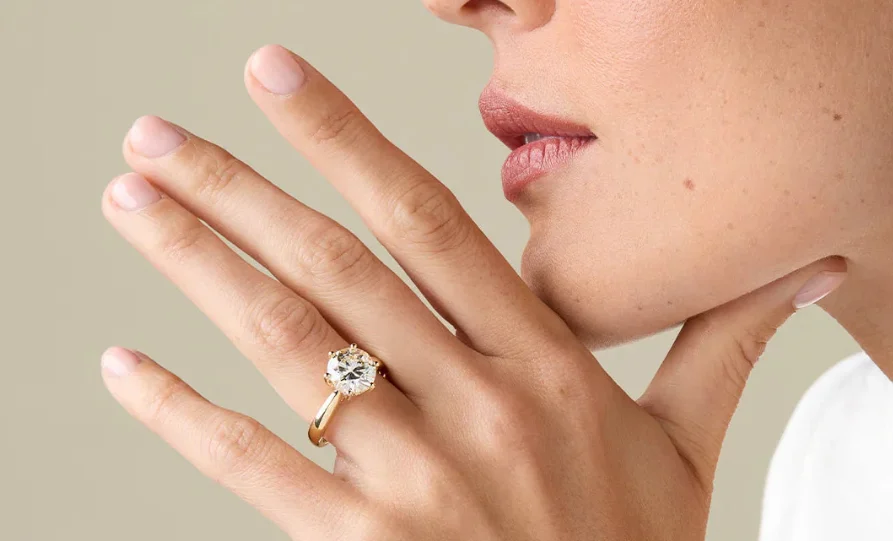
A diamond owner may be surprised to receive two very different offers for the same ring, necklace, bracelet, or loose stone. One buyer may see strong resale potential, while another may focus on risk, grading uncertainty, or the cost of preparing the piece for the next market. To the seller, the difference can feel confusing. If the diamond has not changed, why does the price change so much?
The answer lies in how diamonds are evaluated. A diamond offer is not based only on beauty, size, or the amount originally paid. It reflects a combination of measurable qualities, buyer confidence, current demand, and how easily the item can be resold. Understanding these differences helps sellers look beyond the number and recognize what makes one offer more competitive than another.
A Higher Offer Often Starts With Stronger Buyer Confidence
Confidence plays a major role in diamond pricing. When a buyer can clearly verify the diamond’s quality, the risk becomes lower. A diamond with a reliable grading report, clear measurements, and consistent characteristics is easier to evaluate than one that requires guesswork. The more certainty a buyer has, the more comfortable they may be in making a stronger offer.
This is especially true for higher-value stones. If the diamond has recognized certification, the buyer can assess carat weight, color, clarity, cut, fluorescence, and proportions with greater accuracy. Without documentation, the buyer may need to build risk into the offer because the final resale value is less certain.
Sellers sometimes focus only on the offered price, but the explanation behind that price is just as important. A strong offer usually comes from a buyer who can explain why the diamond has value and which details support the number. When an offer feels vague, it may be based more on caution than on the full potential of the stone.
Quality Differences Are Not Always Obvious to the Eye
Two diamonds can look similar to an untrained eye but carry different values in the market. A small difference in cut quality can affect brilliance. A subtle difference in color grade can change buyer interest. A clarity characteristic hidden near the edge of one stone may be less concerning than a visible inclusion in the center of another.
This is why visual beauty and market value do not always move in the same direction. A diamond may appear bright and attractive in a jewelry setting, yet still receive a moderate offer if its grading details are less desirable. Another stone may look simple at first glance but have strong proportions, better documentation, and qualities that make it easier to resell.
Shape also matters. Round brilliant diamonds are widely traded and easier to compare, while fancy shapes such as oval, pear, emerald, marquise, or cushion cuts may depend more heavily on current style preferences. A buyer who already has demand for a certain shape or size may offer more than one who does not.
The Setting Can Help, But It Can Also Complicate the Offer
When a diamond is sold as part of a ring or other jewelry piece, the setting becomes part of the discussion. Gold, platinum, side stones, design style, brand identity, and condition can all influence how the item is valued. However, the setting does not always increase the offer in the way sellers expect.
Retail jewelry prices often include design work, store margins, labor, and branding. In the resale market, a buyer may separate the center diamond from the mounting and calculate each part differently. If the setting is classic, well maintained, and desirable, it may add appeal. If it is damaged, heavily worn, or difficult to resell, its value may be based mainly on metal weight.
This explains why two buyers may treat the same piece differently. One may see a complete jewelry item ready for resale. Others may view it as a diamond that needs to be removed, regraded, reset, or sold separately. The more work required after purchase, the more cautious the offer may become.
Market Demand Can Push an Offer Higher or Lower
A diamond’s value is not fixed in isolation. It is shaped by what the market wants at a given time. If a buyer has active demand for a certain carat range, shape, color, or quality level, the offer may be stronger. If similar diamonds are already widely available, or if the style is less requested, the offer may be more conservative.
This is one reason sellers should not compare offers only by looking at the original purchase price. Retail price and resale price are different markets. The amount paid in a boutique may include emotional value, design presentation, and brand experience. A resale offer is usually based on what the buyer believes the diamond can realistically achieve in the next transaction.
For owners trying to sell diamonds for a better price, it is useful to understand how buyer confidence, grading details, jewelry condition, and market demand work together before deciding which offer truly makes sense.
Conclusion
One diamond offer may be higher than another because buyers do not all measure value in the same way. Some focus on certification and grading accuracy. Others weigh resale demand, setting condition, inventory needs, or the cost of preparing the diamond for future sale. A higher offer usually reflects a stronger match between the diamond’s qualities and the buyer’s current confidence in reselling it.
For sellers, the goal is not simply to chase the largest number without understanding it. The better approach is to ask why the offer is made, what details support it, and whether the explanation feels transparent. When a buyer can clearly connect the price to the diamond’s quality, documentation, condition, and demand, the seller gains more than an offer; they gain a clearer view of the diamond’s real market position.
Selling a diamond becomes less uncertain when the owner knows what separates a quick estimate from a well-supported valuation. With that knowledge, sellers can compare offers more intelligently and make decisions based on evidence, not pressure or guesswork.