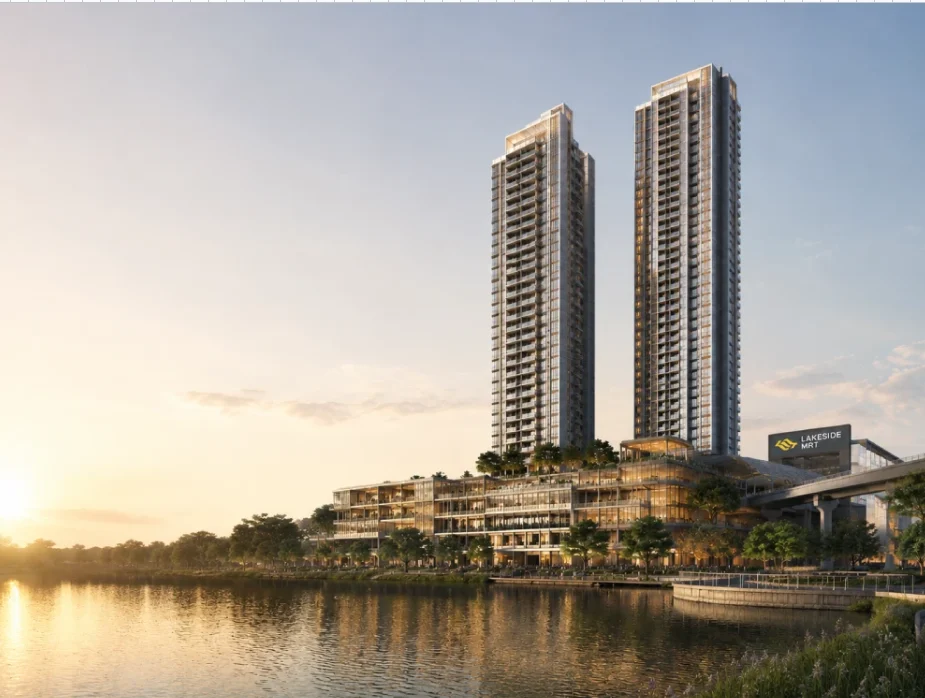
Buying a condominium involves looking at more than just the floor plans and balcony views. For car owners, securing a reliable vehicle spot is a major priority. Many buyers assume that purchasing a premium unit at a development like Thomson Reserve automatically guarantees them unlimited parking privileges. However, condominium parking operates under strict rules that differ significantly from public housing. Understanding how private estates allocate vehicle slots and manage season parking fees prevents frustration after you move in. This guide breaks down the essential facts about condominium parking allocations, parking rights, and how management corporations govern these shared spaces so you can make an informed property purchase.
How Condominium Parking Allocations Work
Condominium parking spaces are typically classified as common property rather than individual subsidiary lots. When you purchase a unit, you own the strata space of your apartment and a share in the common property, which includes the carpark. Because the parking area belongs to the entire estate, the Management Corporation Strata Title (MCST) has the legal authority to manage and allocate these spaces.
Most private developments, including the luxury Lucerne Grand, enforce a one-car-per-unit allocation policy for first-car applications. This means each household is generally guaranteed one parking label, though this is not a statutory right. The MCST determines the availability based on the total number of physical lots versus the number of units. If a development has 500 units but only 450 parking lots, the management must implement a system to distribute these spaces fairly. This ensures that every resident has a fair opportunity to park their primary vehicle before anyone receives auxiliary spaces.
In newer developments, developers design parking ratios on a one-to-one basis, but older properties may have fewer lots. If you own multiple vehicles, you cannot assume you will get additional slots. The management usually places second-car applications on a waiting list or subjects them to higher monthly fees, depending on the available surplus.
Understanding Season Parking Fees and Rules
While public housing estates use a standardized pricing model for season parking, private condominiums set their own rates. The MCST establishes these fees during annual general meetings, where residents vote on financial and operational budgets. For instance, residents at Thomson Reserve pay a nominal administrative fee for their first vehicle, while second or third vehicles incur significantly higher progressive charges.
The Impact of Progressive Fee Structures
These progressive fee structures discourage multi-car ownership within the estate, preserving space for single-car households. A typical first-car parking label might cost $20 to $50 monthly to cover maintenance and security. In contrast, a second-car label can jump to $150 or $200 per month. These fees contribute directly to the estate’s maintenance fund, helping to pay for carpark resurfacing, barrier repairs, and security camera upgrades.
Furthermore, season parking labels are non-transferable. You cannot lease your parking label to a neighbor or a tenant from another block. If you rent out your unit, the parking privilege transfers to your tenant, provided they register their vehicle with the management office. If you sell your unit, the parking right immediately terminates, and the new owner must apply for a new label under their own name.
The Ballot System for Surplus Parking Lots
When the demand for parking spaces exceeds the physical capacity of the estate, management corporations introduce a balloting system. This scenario is common in older developments or high-density projects where residents own multiple vehicles. Estates like Lucerne Grand utilize quarterly or bi-annual ballots to distribute the remaining surplus lots fairly among multi-car owners.
The balloting process is straightforward but can cause anxiety for families relying on multiple vehicles. Residents submit their applications for a second parking label before the deadline. The management then conducts a transparent draw, often witnessed by council members, to assign the limited surplus lots.
Managing the Risks of Balloting
If you lose the ballot, you must park your second vehicle outside the estate, which can incur high commercial rates or municipal parking fines. Some residents attempt to bypass this by parking in visitor lots, but condo security teams actively monitor these areas. Violators face wheel-clamping fees, which can range from $100 to $200 per occurrence. Therefore, relying on a balloted second lot requires having a backup parking plan in the immediate neighborhood. Local commercial parking complexes or nearby public estates often serve as the most reliable alternatives for residents who do not win the seasonal draw.
Visitor Parking Regulations and Abuse Prevention
Visitor parking is another highly regulated area within private residential communities. These lots exist solely for guests, delivery drivers, and service contractors. Unfortunately, some residents attempt to exploit visitor spaces to avoid paying season parking fees for their secondary vehicles. To combat this, estates enforce strict overnight parking restrictions.
At Thomson Reserve, security guards log every entering vehicle and cross-reference them with a guest registry. Visitors who stay past a specific cut-off time, usually 11:00 PM, must register for overnight parking, which often requires host approval and a small fee. Similarly, Lucerne Grand employs automated license plate recognition technology to track how long non-resident vehicles remain on the premises.
Enforcement and Penalties
If a vehicle exceeds the permitted visitor hours without authorization, security personnel will deploy wheel clamps. The MCST sets these rules to protect the interests of all residents who pay their monthly maintenance fees. Clear signage at the estate entrance outlines these regulations, ensuring visitors and residents understand the consequences of parking violations. This proactive enforcement maintains order, keeps emergency access lanes clear for fire engines, and ensures that genuine guests always have access to convenient parking spaces.
Conclusion
Secure parking is a fundamental component of convenient urban living. Before finalizing your property purchase, always review the specific parking bylaws of the condominium. Do not assume that a high-end unit guarantees multiple parking spaces or cheap rates. Understanding the differences between first-car allocations, progressive season fees, and balloting systems will save you from unexpected costs and logistical headaches down the road. By researching these rules early, you can ensure a smooth transition into your new home and enjoy your private estate without vehicle-related stress. Taking the time to ask the management office about their current parking occupancy rates is a smart step for any prospective buyer.