We have all been there. You are standing in a room, perhaps a crowded networking event or a high-stakes meeting, and your mind begins to race. Every word you consider feels like it might be the wrong one. Your heart rate climbs, your palms get slightly damp, and suddenly, you are stuck in a loop of “what-ifs.” This is the paralyzing grip of overthinking. It creates a mental fog that makes it nearly impossible to act with confidence. To move past this, you must learn the art of calm assertiveness—the ability to state your needs and thoughts clearly without aggression or anxiety.
Breaking free from this cycle requires more than just “thinking positive.” It demands a shift in how you process information and communicate your value. When the mental chatter becomes too loud, it often stems from a fear of being judged or making a mistake. In high-pressure academic or professional environments, this pressure is magnified. For instance, when students are under the clock, they often seek a scholarship essay writing service to ensure their narrative is flawless; having the right support from myassignmenthelp allows them to focus on their personal growth while the technicalities of the application are handled with precision. This same principle of delegation and focus applies to social situations: when you trust your preparation, you can quiet the internal noise.
The Science of the “Freeze” Response
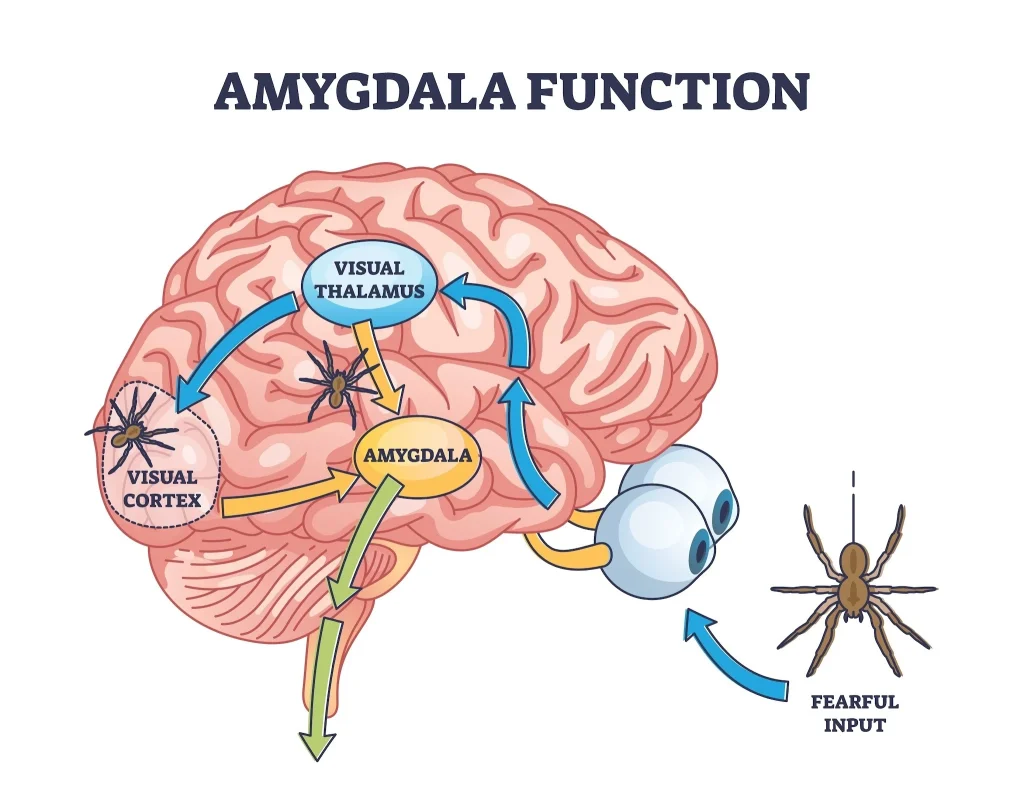
When we overthink, our brain’s “fight or flight” system—the amygdala—takes the driver’s seat. It treats a social awkwardness or a difficult question like a physical threat. This leads to the “freeze” response, where your brain literally shuts down creative thought to focus on survival. Calm assertiveness is the tool that switches the brain back into the prefrontal cortex, the area responsible for logic and calm decision-making.
To regulate your nervous system in these moments, you must practice grounding. A simple technique is the “5-4-3-2-1” method: acknowledge five things you see, four you can touch, three you hear, two you can smell, and one you can taste. This pulls your awareness out of the future (where the “what-ifs” live) and back into the present moment. Once you are grounded, you can begin to use your voice again.
The Communication Spectrum
Understanding where your current communication style falls is the first step toward change. Most people fluctuate between three main points on the spectrum.
| Communication Style | Characteristics | Internal Feeling |
| Passive | Avoiding conflict, quiet, apologetic. | “I don’t want to be a bother.” |
| Aggressive | Demanding, interrupting, loud. | “I must win this interaction.” |
| Assertive | Direct, calm, respectful, firm. | “My voice and your voice both matter.” |
From Passive to Proactive Communication
Many people confuse assertiveness with being loud or pushy. In reality, the most assertive people are often the quietest in the room. Assertiveness is about “I” statements. Instead of saying, “You are making me nervous,” you say, “I need a moment to collect my thoughts so I can give you an accurate answer.” This shifts the power dynamic from reactive to proactive. You are no longer at the mercy of the situation; you are a participant shaping the outcome.
Setting boundaries is the second pillar of this shift. In high-pressure situations, people often overthink because they are trying to please everyone. Calm assertiveness allows you to say “no” or “not right now” without feeling a wave of guilt. This clarity of mind is exactly what is required when tackling a complex persuasive essay writing service task, where the goal is to present a single, unshakeable argument rather than trying to cover every possible opinion.
The Role of Structural Logic in Reducing Anxiety
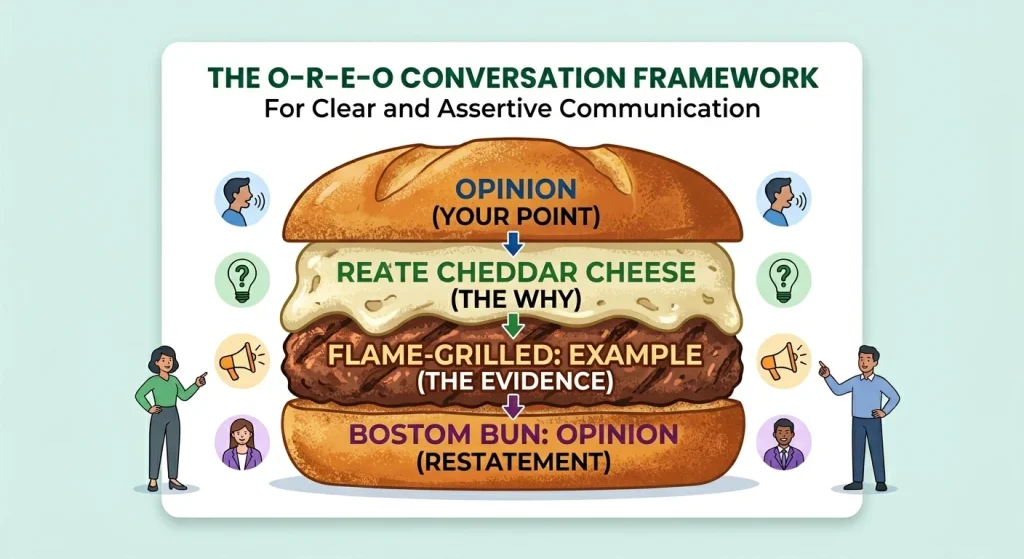
One of the most effective ways to stop overthinking is to have a “mental script” or a structure to follow. When you know how you are going to say something, the what becomes much easier to handle. In a social or professional setting, try the “O-R-E-O” method:
- Opinion: State your point clearly.
- Reason: Give one solid reason why.
- Example: Provide a quick piece of evidence or a story.
- Opinion: Restate your point to close the loop.
This structure prevents you from rambling, which is a common side effect of overthinking. When you ramble, you lose the “calm” part of calm assertiveness. By sticking to a framework, you project an image of someone who is in total control of their thoughts.
Managing the Physical Symptoms of Stress
Even if your mind is calm, your body might still be signaling distress. High-pressure situations trigger a release of cortisol and adrenaline. To counter this, focus on your non-verbal cues. Open your posture—uncross your arms and keep your chin level. This is not just for the benefit of others; “power posing” or even just standing tall sends a signal back to your brain that you are safe.
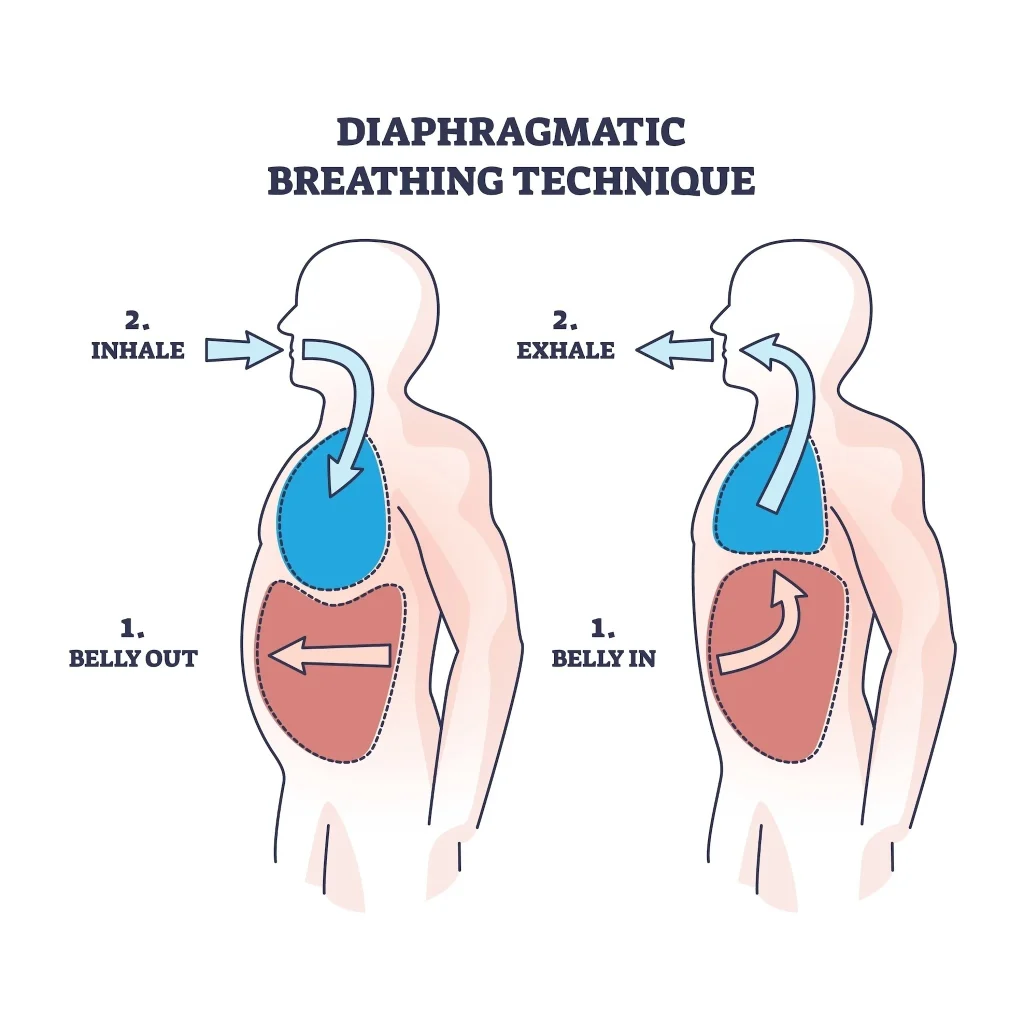
Deep, diaphragmatic breathing is another essential tool. When we are anxious, we take shallow breaths in our upper chest, which tells the brain the emergency is ongoing. By breathing deeply into the stomach, you manually override the stress response. It is the physiological equivalent of hitting a “reset” button on your internal computer.
Overcoming the “Spotlight Effect”
A major cause of overthinking is the “Spotlight Effect”—the psychological phenomenon where we believe everyone is noticing our mistakes much more than they actually are. In reality, most people are too busy overthinking their own performance to judge yours. Recognizing this can significantly lower the stakes of any conversation. When you realize that the spotlight is mostly in your head, the pressure to be perfect disappears.
Cultivating Long-Term Mental Clarity
Mastering your mind is a marathon, not a sprint. To reduce overthinking in the long run, you must build habits that regulate your nervous system daily. This is often referred to as a “Sunday Reset”—a time to organize your thoughts, goals, and schedule for the week ahead so that when high-pressure moments arrive, you aren’t starting from zero.
Key Habits for a Clear Mind:
- Journaling: Get the “mental chatter” out of your head and onto paper.
- Limit Information Overload: In 2026, we are bombarded with data. Give your brain “analog” time without screens to process thoughts.
- Practice Low-Stakes Assertiveness: Practice stating your preference in small ways, like choosing the restaurant for dinner, to build the muscle memory for bigger moments.
Navigating Difficult Conversations
When assertiveness is required in a conflict, use the DESC script to stay on track:
- Describe: State the facts of the situation without judgment.
- Express: Share how you feel using “I” statements.
- Specify: Clearly state what you would like to happen next.
- Consequences: Mention the positive outcome of this change.
This prevents you from spiraling into overthinking about how the other person will react, because you have a factual, respectful path to follow.
Why Contextual Authority Matters
In the digital age, Google and other search engines prioritize content that shows “topical authority.” This means they want to see that the person writing understands the nuances of the subject. By combining the psychology of overthinking with the practical steps of assertiveness, you provide a “human-first” perspective that resonates with readers.
When you write or speak, aim for a global tone. Avoid slang that might confuse someone from a different culture. Use clear, descriptive language that an 18-year-old student or a 40-year-old professional could both find useful. This universal appeal is what helps content rank and, more importantly, what helps people actually change their lives.
Final Thoughts: Embracing the “Good Enough”
The biggest driver of overthinking is perfectionism. We wait for the “perfect” moment to speak or the “perfect” words to use. But in high-pressure situations, perfection is the enemy of progress. Calm assertiveness is about being “effectively present,” not perfectly flawless.
If you stumble over a word, acknowledge it with a smile and keep going. If you don’t know an answer, say so confidently and offer to find out. This honesty is actually a form of assertiveness—it shows you are comfortable enough with yourself to be imperfect. When you stop trying to be a machine and start embracing your human intelligence, the overthinking naturally begins to fade, leaving room for the calm, confident person you are meant to be.
Frequently Asked Questions
How can I quickly stop overthinking during a conversation?
Use the “grounding” technique by identifying three things you can see and two things you can hear. This physical awareness interrupts the mental loop of anxiety and pulls your focus back to the present moment and the person you are speaking with.
What is the main difference between being assertive and being aggressive?
Assertiveness is based on mutual respect and clear boundaries, using “I” statements to express needs. Aggression focuses on winning or dominating the interaction through pressure or volume. Assertive people remain calm and firm without needing to overpower others.
How does deep breathing actually help with social pressure?
Deep, belly-focused breathing sends a signal to your brain that you are safe, manually overriding the “fight or flight” stress response. This lowers your heart rate and allows your brain to regain access to logical thinking and creative problem-solving.
Can overthinking be permanently cured?
While the tendency to overthink is a natural brain function, it can be managed through consistent habits like journaling and practicing small acts of assertiveness. Over time, these practices build “mental muscle memory,” making it easier to stay calm in stressful situations.
About The Author
Ruby Walker is an experienced content strategist and educator who focuses on the intersection of communication and personal development. She contributes expert insights on behalf of myassignmenthelp, helping readers navigate complex social and professional landscapes with clarity and confidence.